Your Lower Back May Not Be The Problem
Hello Beautiful People!
Last month, we talked about Upper Cross Syndrome and how everyday habits can contribute to recurring tension in the neck, shoulders, and upper back.
This month, we’re moving down the body to another common pattern: Lower Cross Syndrome.
If your lower back always feels tight, your hips feel stiff after sitting, or you keep stretching the same areas only for the tension to return, your lower back may not be the only thing that needs attention.
What Is Lower Cross Syndrome?
Lower Cross Syndrome can develop when some muscles around your hips and lower back are working harder than others.
Think of your muscles as a team. When some aren’t pulling their weight, others have to work harder to compensate.
The muscles at the front of the hips and around the lower back can become tight or overworked, while the glutes and abdominal muscles may not be contributing as much as they could.
Over time, this can affect how you sit, stand, walk, bend, and move.
Where Might You Feel It?
You may experience:
• An aching or tight lower back
• Tight or stiff hips
• Tension through the front of the hips or thighs
• Weakness through the glutes or core
• Stiffness after prolonged sitting
• Discomfort after standing for long periods
• The constant urge to stretch your lower back
Some people may also have a forward tilt of the pelvis and a more pronounced curve through the lower back. This doesn’t automatically mean something is wrong. Bodies are built differently, and what matters most is how you feel inside your body.
What Contributes to It?
Doing the same thing for too long.
Sitting at a computer, driving, standing all day, repeatedly bending or lifting, and performing the same movements over and over can all contribute to muscular imbalances.
Even active people can develop them when they repeatedly train or move in the same ways.
Our bodies need movement, but they also need variety of movement.
Why Does My Lower Back Keep Getting Tight?
When your lower back hurts, it makes sense to focus on your lower back.
But your hips, glutes, abdomen, pelvis, and lower back all work together. If some aren’t doing their share, your lower back may have to work harder.
That’s why repeatedly stretching or massaging the same sore spot may provide relief without addressing the bigger picture.
The place where you feel the pain isn’t always the only place that needs attention.
How Can Massage Therapy Help?
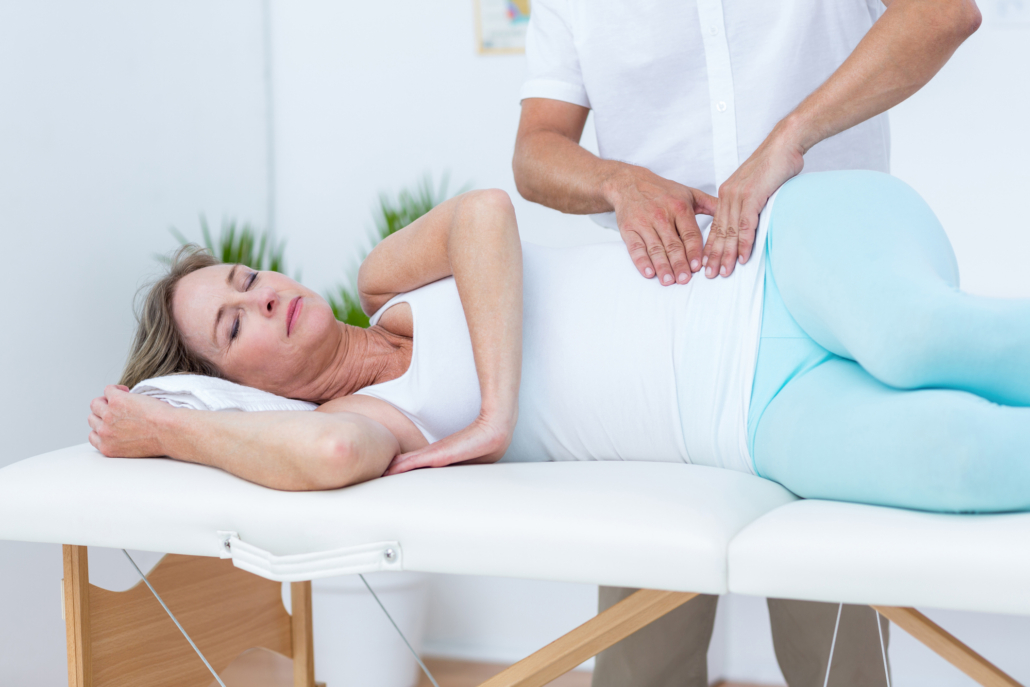
When you come in with lower back tension, I may work not only on your lower back, but also your hips, glutes, thighs, and other areas affecting how your lower body moves.
Massage therapy can help reduce muscular tension and discomfort, relax overworked muscles, and help you move more comfortably. For chronic or recurring pain, however, consistency matters.
That’s why I’ve created my 6-Week Chronic Pain Management program, giving us six consecutive weeks to work with your body and adjust your massage treatments according to how you respond.
If you’re tired of feeling better only for the pain to return, let’s try something different.
Book by October 3 and receive $60 off, plus a self-care bag containing massage balls, a rolling pin, my favorite Epsom salt, and an exclusive Neurotraining and stretching routine to support you between sessions.
HSA/FSA funds may be used if massage therapy is an eligible expense under your plan.
Six weeks. Consistent care. Let’s see what your body can do with it.
Book your session here: https://mobilityinmassage.clinicsense.com/book/
Your body does a lot for you every single day. Give it movement, give it variety, and when it starts complaining, listen.
Thank you for continuing to trust me with your care. I’ll see you on the table.
With Gratitude,
Aubrey